

Acclaimed Indian film director, Imtiaz Ali, returns with a film combining two things the Indian audience currently adores – Diljit Dosanjh and controversial storytelling. The new Netflix film has been in the spotlight of much discussion after the emergence of Diljit Dosanjh in western media. Dosanjh recently made his North American TV Debut after being a musical guest on the Tonight Show with Jimmy Fallon, promoting the North American leg of his “Dil-luminati Tour” – which has sold out stadiums across Canada and the United States. His performance in Amar Singh Chamkila has received rave reviews, with his depiction of the Indian punjabi music icon, Chamkila being a standout role in Dosanjh’s on-screen career.
Imtiaz Ali brings forward a biographical film that chronicles the life of the legendary Punjabi singer, Amar Singh Chamkila. Given the intriguing subject matter of a singer whose rise to fame came through the use of vulgar lyrics delivered to the conservative landscape of rural Punjab, combined with the creative vision of Imtiaz Ali and the acting prowess of Diljit and Parineeti, this film had all the ingredients for a hit. Its story truly is one of a kind and is enough to understand why this biopic deserved to be made. However, the question at large is whether or not Chamkila’s identity as a singer is one that should be celebrated or criticized. After watching the film, I feel that I am left still wondering the answer to this question, leading me to further ponder what the purpose of this film really is. All things considered, there’s a lot more to unpack here – both good and bad.
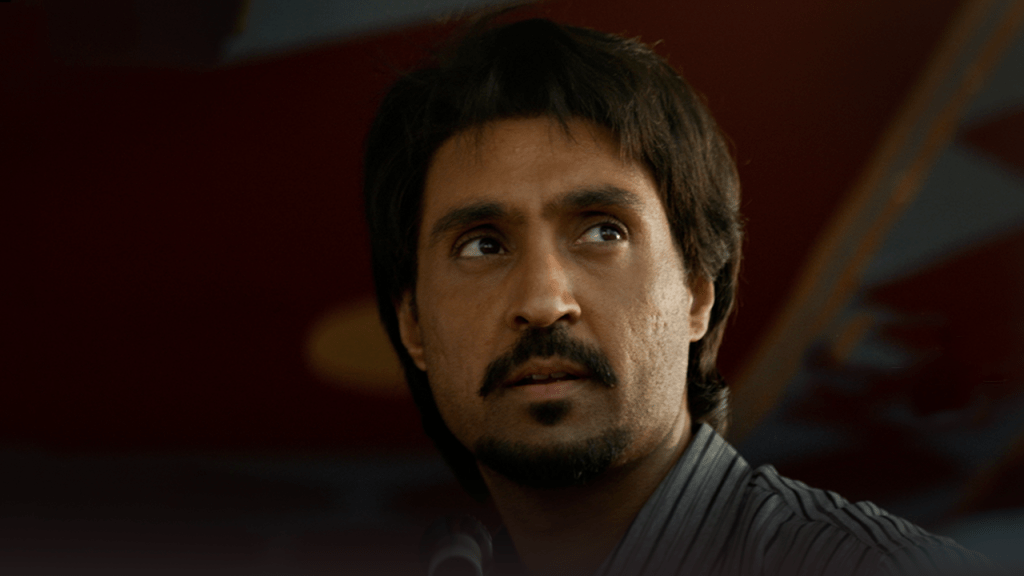
Imtiaz Ali’s direction is a mixed bag. While his storytelling captures the essence of Chamkila’s life, the execution at times feels messy and inconsistent. There are moments of brilliance that keep the audience engaged, but these are interspersed with scenes that feel disengaging and confusing. I will agree with the masses (and fellow Diljit fans) and say that Diljit Dosanjh delivers a powerful performance as Chamkila, bringing authenticity and depth to the character. Parineeti Chopra also shines in her role (as usual), complementing Diljit’s performance effectively. Their chemistry adds a layer of realism to the film, and it was a nice touch knowing that the two actors delivered their musical performances themselves.
The script attempts to balance Chamkila’s personal and professional life, highlighting the deep and complex controversies that led to the early ending of his life. Given the sheer volume of work that needed to be included in the film, the narrative structure sometimes falters. The dialogue is impactful, but the pacing issues detract from the overall experience. There are parts of Chamkila’s life that clearly take precedence in the storytelling over others, and while sometimes this feels very valid, there are times this feels unjustified. The greatest example in my opinion is the lack of emphasis on Chamkila’s international presence. It’s understood many Punajbi’s in India were ashamed of the music Amar Singh Chamkila produced, but it would have been interesting to learn more about his international career apart from the few successful tours he had to the Western World.
Now, a great reason to see this film stems from its cinematography. The visual style of the film is striking, with beautifully shot scenes that capture the vibrancy of Punjab. Seeing films shot in rural Punjab is always a pleasure and to have such a dark and eyebrow-raising story unfold over the authentic landscapes of these villages and farms where this narrative occurred was just great! I will note that at times in this film, Imtiaz Ali uses animation, pop art, and other random forms of visual storytelling to guide moments of passing time in Chamkila’s life. These choices to me are questionable. I found that they help with censoring various moments or offering some variety to a film with such a long runtime, but on most occasions, this was distracting, disengaging, and a bit goofy in my opinion.
The soundtrack is one of the film’s strengths, featuring a mix of Chamkila’s original songs and new compositions that pay homage to his legacy. The music is incredibly effective in enhancing the emotional and dramatic moments in the film. When you bring together the voices of Dosanjh, Mohit Chauhan and Kailash Kher with the compositional genius, A.R. Rahman, you’re sure to have a formula for three things: power, impact and BANGERS. Chamkila’s voice, intentions and motivation in life is so authentically captured in Diljit’s performances, I genuinely dropped my jaw a few times.
Amar Singh Chamkila explores themes of fame, cultural impact, and the struggles of an artist. It offers a compelling lens on the emergence of one of Punjab’s biggest stars and the societal challenges he faced. The film’s powerful messaging highlights the complexities of Chamkila’s life and career. Now with all this being said, I need to reiterate my first question. Should we celebrate Chamkila? Undoubtedly, he changed music for Punjab and India as a whole. He brought sexual innuendos, liberal lyricism, the embracing of one’s masculinity/femininity, and freedom of speech outside of closed doors on a platform for the world to enjoy. However, his music goes beyond sex-based liberation. Chamkila’s music also heavily portrayed themes revolved around the objectification of women, alcoholism, sexual violence, and domestic violence. And does this film interrogate the notion of such negative and harmful messaging? Some may argue it does, but I believe the answer is not nearly enough. Discussing that people enjoyed his music in private, didn’t engage in discourse about Chamkila, or that many elders in the community encouraged him to put an end to such vulgar lyricism does not equal narrative criticism. Stating the truth is one thing, but as a viewer living in the present, the film leads you to believe that Chamkila did more good than bad through his music – an idea in which I still feel I need to do more research to get to the bottom of.
The film is not bad. In fact, it’s such a bizarre true story that I went into knowing nothing about. Its unique story alone makes this a movie worth making, watching, and enjoying for years. Amar Singh Chamkila is a film that, despite its flaws, offers a fascinating look at the life of a legendary artist. While it may not be perfect, it succeeds in bringing Chamkila’s story to the big screen, and does more to ensure his legacy continues to inspire and captivate audiences. Perhaps, Chamkila as a man was more flawed than this film, but the movie does more to ignore those flaws – ultimately leading to its greatest flaw.
 One Take News