
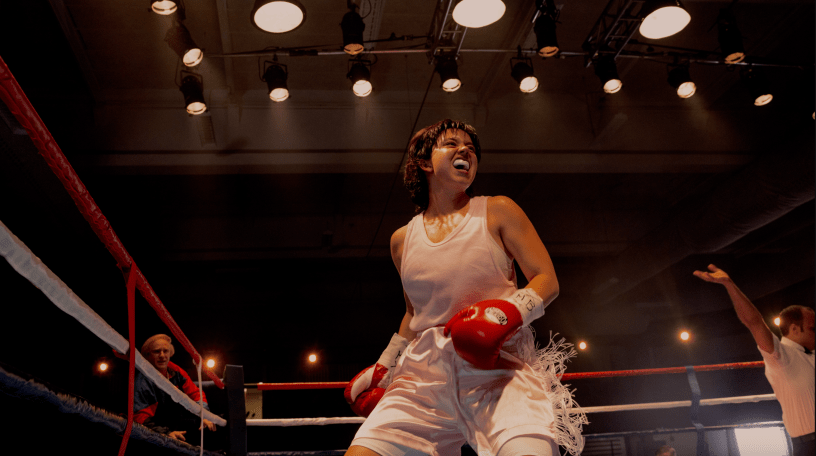
Christy tells the remarkable true story of boxing pioneer Christy Martin with sincerity and restraint, focusing just as much on the woman behind the gloves as the champion inside the ring. It’s an engaging sports drama that understands its greatest strength isn’t the punches—it’s the humanity behind them.
Directed by David Michôd, the film chronicles Martin’s rise through the world of professional boxing while exploring the personal struggles that unfolded behind her public success. Rather than following the familiar blueprint of a triumphant underdog story, Christy takes a more intimate approach, examining the emotional cost of fame, the complexities of identity and the resilience required to survive both inside and outside the ring.
The performances are what ultimately elevate the film. Sydney Sweeney fully commits to the physical and emotional demands of portraying Christy Martin, capturing both her resilience and vulnerability without reducing her to a conventional sports hero. Her transformation is impressive, but it’s the quieter moments that leave the strongest impression. Whether she’s processing personal setbacks or navigating complicated relationships, Sweeney brings a grounded emotional honesty that makes Christy’s journey feel deeply personal.
Ben Foster is equally compelling as Jim Martin, delivering a performance that is both charismatic and deeply unsettling. The dynamic between the two becomes the emotional backbone of the film, adding tension that extends far beyond the boxing world. Their scenes together are some of the film’s strongest, illustrating how Christy’s greatest battles often took place long after the final bell.
The boxing sequences themselves are exceptionally well executed. They’re intense without feeling over-stylized, emphasizing the physical punishment and emotional stakes rather than turning each fight into a spectacle. The choreography feels authentic, and Michôd keeps the action grounded, allowing every victory and setback to carry genuine weight. Even viewers who aren’t regular boxing fans will find themselves invested in the outcome.
Michôd directs with confidence, allowing the story to unfold at a measured pace that gives its characters room to breathe. Rather than racing through key milestones, he takes time to explore the quieter moments that shaped Christy as a person. That restraint helps the film avoid many of the clichés often associated with sports biopics, even if certain story beats occasionally feel familiar.
Visually, Christy embraces a gritty realism that complements its subject matter. The fight venues, locker rooms and training spaces all feel authentic, grounding the story in the era while reflecting the demanding world Christy fought to break into. The cinematography never distracts from the performances, instead reinforcing the film’s intimate perspective on its central character.
If the film falls short anywhere, it’s in how quickly it moves through certain chapters of Christy’s life. A few supporting characters and relationships could have benefited from additional development, particularly as the story expands beyond the ring. Even so, the film remains firmly anchored by its central performances and never loses sight of the emotional journey at its core.
What makes Christy resonate isn’t simply that it’s based on an extraordinary true story. It’s the way the film refuses to define its subject solely by her accomplishments or hardships. Instead, it presents Christy Martin as a fully realized person whose strength came not only from her success as a fighter, but from her determination to keep moving forward despite A TON of unimaginable adversity.
Christy may not reinvent the sports biopic, but it doesn’t need to. Strong performances, gripping fight sequences and a genuine emotional core make it a worthwhile watch. At its best, it’s a thoughtful portrait of resilience that reminds us the most difficult fights aren’t always the ones that happen under the bright lights.

